SIGN IN YOUR ACCOUNT TO HAVE ACCESS TO DIFFERENT FEATURES

FORGOT YOUR PASSWORD?

FORGOT YOUR DETAILS?

AAH, WAIT, I REMEMBER NOW!

Garage Wine Co

  • LOGIN
  • Wines
    • Cru
      • Cru Truquilemu Cariñena
      • Vigno Cariñena
    • Parcel Selection
      • Isidore V. Semillón
      • Truquilemu V. Cariñena
      • Renacido V. Cab Sauv Maule
    • Parcels / Vinos de Parcela
      • Pirque V. Cab Franc Maipo
      • Reelegido V. Cab Sauv Maipo
      • Las Higueras V. Cab Franc Maule
      • Old Vine Pale Rosé
      • Sauzal V. Gar/Car/Mon
      • Bagual V. Gar/Car/Mon
      • Pereira V. Syrah
      • Bagual V. Caliboro Garnacha
    • Single Ferment Series
      • País-Cariñena Phoenix Ferment
      • País 215 BC Ferment
      • Cinsault Soothsayer´s Ferment
      • San Francisco – Passageiro
      • Old-vine Field Blend
    • País OVR
    • Cabernet Sauvignon – OVR
    • Field Blend – OVR
    • País AlMaule
  • Works
  • Find
  • Garage tools
  • Visits
  • Contact
  • Editorial
  • Shop (solo en Chile)
Derek Mossman Knapp
Derek Mossman Knapp
Thursday, 17 July 2025 / Published in Critics, Press / Prensa

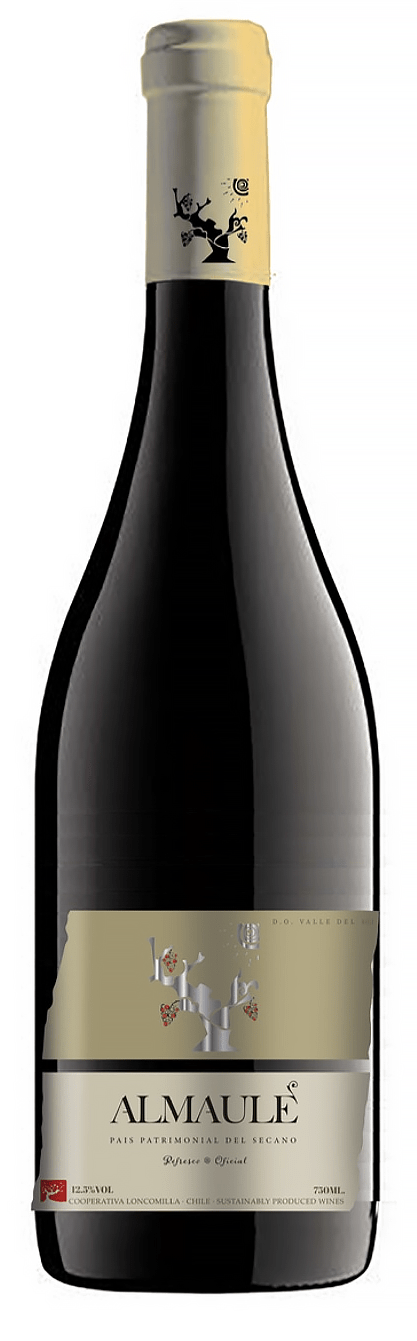
Celebrating the Soul of Old Vine País: Introducing ALMAULE

Vinography.com – Alder Yarrow

A couple of weeks ago, I wrote about VIGNO, a unique movement created in Chile to celebrate and spotlight old-vine, dry-farmed Carignan in Chile’s Maule Valley.

That is, it was unique—until about four years ago, when six of the players involved in VIGNO decided the same thing needed to be done for the old-vine País of Maule’s Secano Interior. And so ALMAULE was born.

Interestingly, while the old-vine Carignan in Maule dates to the middle of the 20th century, there are many País vineyards in the region well over a century old. These scraggly, own-rooted vines have made beautifully delicious wines for generations, mostly consumed by locals or sold to massive wineries where the grapes traditionally disappeared into mass-market regional blends.

While the philosophy behind VIGNO leans toward a more serious, fine-wine approach to Carignan, the philosophy at ALMAULE seems quite the opposite. País has long been a wine of the people, and ALMAULE aims to celebrate that by putting the grape back where it used to be—not on a pedestal, but on dinner tables, picnic blankets, beach towels, tailgates, and afternoon plaza benches, where it was once ubiquitous.

“ALMAULE is a tribute to the cultural richness of Secano and the resilient capacity of winemaking that, since 1548, gave rise to Chile’s most emblematic industry and symbol in the world.”

— From the founders

The Dry Land

Maule’s Secano Interior region boasts a remarkable 19,000 hectares of vines. No one knows exactly how much of that is País, but nearly everyone in the region grows at least some País—it’s the oldest grape variety in the country.

“Not everyone has old-vine Carignan,” says Derek Mossman Knapp, one of the founding members of both VIGNO and ALMAULE, “but almost everyone has some País, and the thinking is that this really should be what our young people in Chile are learning to drink with instead of mixed drinks or beer. This is about easy drinking.”

The ALMAULE group, like VIGNO, has defined a set of production standards that its members must follow in order to use the ALMAULE designation.

ALMAULE wines must:

  • Come from the subregions of Talca, Pencahue, San Clemente, San Rafael, San Javier, Villa Alegre, Parral, Linares, and Cauquenes
  • Contain at least 90% País grown on head-trained vines over 30 years of age
  • Have an alcohol content of at least 12.5% and residual sugar of less than 5 g/l

Wines must also pass a blind tasting panel evaluation to ensure that they are “fresh, rustic, clear, clean, and juicy red wine reflective of the vintage, where varietal characteristics predominate.”

País, of course, has become something of a darling in the natural wine scene over the past 15 years, and ALMAULE seems determined to set itself apart from those wines—partly by hearkening back to the fresh and uncomplicated wines that were traditionally made from the grape.

Even more so than VIGNO, the folks behind ALMAULE seem focused on the local Chilean market. Despite similar beginnings, VIGNO eventually became much more influential outside of Chile than within it. Whether the same thing will happen to ALMAULE remains to be seen—especially given País’s popularity in trendy wine bars and restaurants these days.

“There isn’t a wine list in Brooklyn without a País on it,” jokes Knapp. “And if they don’t have it, they’ll guiltily tell you they’re out and offer to go get a bottle from their sister restaurant down the street.”

That’s a promising signal of potential, but Knapp is much more pleased with the reception so far within Chile. “When you take these [ALMAULE] wines out to an event, or something social in Chile, people pick it up by the glass and swig it. VIGNO is still more of a hand-sell—a ‘with food’ wine. You take ALMAULE out, and it seems people are content to drink this instead of beer.”

País for the People

There are plenty of underrated grapes in the world, but País ranks high on the list of those dismissed by the modern wine establishment. I’ve written about this phenomenon before, and tried to make the case that while there may indeed have been an era when País wines from both California and Chile were a little wild and rustic, that was more a reflection of the effort and care put into those wines—not the intrinsic quality of the grape itself.

País, in the right hands, can be made into a delightful wine, full of energy, freshness, fruit, and juicy acidity. Light in color and body, the grape lends itself perfectly to today’s fascination with chillable reds and other “smashable” genres.

The ALMAULE producers were kind enough to send me some bottles to show what they’re up to, and I thoroughly enjoyed the experience. From the vaunted name of Baron Philippe de Rothschild to the humble local cooperative winery in Loncomilla, the wines have a cheerful deliciousness that’s impossible to ignore.

The name ALMAULE is a portmanteau of Maule and alma, which means “soul.” It’s a fitting label for wines that manage to bridge nearly 500 years of winemaking history and still feel right at home in the modern age.

We all need to be drinking more País.

Tasting Notes

Unfortunately, these wines are not yet available in the US (or most other places in the world, for that matter), as they are relatively new to market and made in small quantities. But keep an eye out for them over the next year or two. They’re worth waiting for.

2023 Balduzzi Almaule País, Maule Valley, Chile
Light to medium ruby in the glass with some blood-red highlights, this wine smells of cherries, candied pomegranate, and flowers. In the mouth, juicy and bright acidity makes sour cherry, mulberry, and raspberry flavors zingy and mouthwatering as fine, powdery tannins coat the mouth and stiffen with time. Aromatic and long, with a lovely perfume. 12.5% alcohol. Score: around 9.

2024 Baron Philippe de Rothschild Almaule – Terra Sagrada País, Maule Valley, Chile
Medium garnet in the glass with purple highlights, this wine smells of boysenberries and black raspberries. In the mouth, juicy, almost saline flavors of unripe blackberry and black raspberries mix with sour cherry and a hint of dried herbs. Wonderfully mouthwatering with the faintest gauzy tannins adding a little texture. Made from a single 3.7ha vineyard. 12.5% alcohol. Certified vegan. Score: around 9.

2023 Entre Rosas & Parras Almaule País, Maule Valley, Chile
Medium garnet in the glass, this wine smells of boysenberries and blueberries. In the mouth, there’s a light petillance on the tongue as boysenberry and grape soda flavors are wrapped in a fleecy blanket of tannins. Tastes like it was made with carbonic maceration. A bit overly fruity for my taste, but with good acidity. Alcohol unknown, as the wine is missing a back label. Score: between 8 and 8.5.

2023 Erasmo Almaule País, Secano Interior, San Javier, Maule Valley, Chile
Light garnet in the glass, this wine smells of road dust, warm (clean) dog fur, and strawberries. In the mouth, juicy berry flavors are bright with citrus peel notes as excellent acidity makes the mouth water. Lightly grippy tannins coat the mouth, and a hint of herbal bitterness lingers in the finish. 12.5% alcohol. Score: around 8.5.

2022 Garage Wine Co. Almaule País, Maule Valley, Chile
Light to medium ruby in the glass with some garnet highlights, this wine smells of dusty roads, chaparral, and red berries. In the mouth, the wine has a faintly earthy and animal note to it, like wet dog fur, along with strawberry and raspberry fruit shot through with lightly bitter dried herbs. Powdery tannins coat the mouth and stiffen slightly in the finish. 12.5% alcohol. Score: around 8.5.

2023 Gillmore Almaule País, Maule Valley, Chile
Light garnet in the glass, this wine smells of strawberries, raspberries, and underbrush. In the mouth, bright, juicy strawberry and raspberry flavors are shot through with a lightly bitter herbal flavor and hints of sawdust. Excellent acidity and the faintest of tannins. 12.5% alcohol. Closed with a screwcap. Score: between 8.5 and 9.

2023 Las Valetas Almaule País, Maule Valley, Chile
Medium garnet in the glass, this wine smells of cherries, raspberries, and wildflowers. In the mouth, powdery tannins coat the mouth as wonderfully juicy strawberry and cherry flavors make the mouth water, thanks to excellent acidity. The tannins settle like a gauze on the palate but then gradually stiffen, giving this wine a slow grip. Alcohol unknown. Score: between 8.5 and 9.

2023 Cooperativa Loncomilla Almaule País, Loncomilla, Maule Valley, Chile
Pale ruby in the glass, looking very much like a rosé, this wine smells of strawberries and wildflowers. In the mouth, silky flavors of berries and flowers have a bright juiciness to them with no trace of bitterness. This is just bright, aromatically sweet fruit and all the more charming for it. Excellent acidity and a near absence of tannins. Very delicious. 12.5% alcohol. Score: around 9.

Tagged under: Alder Yarrow, almaule, vinography

What you can read next

Jancis Robinson – 2021 WRITING COMPETITION
Puntajes James Suckling 2024
How ancient trumps modern

Recent Posts

  • ¿Cómo sueño el vino chileno?

  • Vinos de autor – La Cav

  • País Is Back: 5 Things to Know and 6 Wines to Try

  • Garage Wine Co – Old-vine Wrapped 2025

  • Pilar Miranda was awarded the Mérito Vitivinicola prize

  • Premio al Mérito Vitivinícola ANIAE 2025

  • Premiación 2025 Alistar Cooper MW by Catad’Or

  • Puntajes Vinous 2025

  • Garage on tour: Jun 2025

  • Francamente Frank, nuevo artículo de revista Wikén

Garage Wine Co
Winery: Camino San Antonio Caliboro KM 5.8 San Javier 3660000
Región del Maule, Chile

Open in Google Maps

  • Caliboro

About Garage Wine Co.

Garage Wine began quite literally in Pilar and Derek’s Garage. After half a dozen vintages making wine for an informal market of family and friends, it began exporting to UK & Denmark in 2006

The Parcels

GWCo makes wines from a series of individual parcels, small lots / bottlings of 8 -22 barrels that include a series of dry-farmed field-blends of Carignan, Garnacha, Monastrell, País, Cinsault and Cab Franc grown on pre-phylloxera rootstock with small farmers in the Maule and Itata. Each wine is from a 1-2 hectare parcel in a different place: Bagual, Caliboro, Coelemu, Guarilihue, Loncomilla, Portezuelo, Puico, Ranquil, Sauzal, Truquilemu…

Over the years working in the community we have raised a veritable posse of vineyard hands whose skills are working the vineyards the old way / the traditional way— originario. We cultivate vineyards with small vigneron partners who work with horse and plough as his family has done for generations. Some of the parcels, where the next generation moved to the city, we have opted to rent long-term creating more work for the local hands who do want to stay on the farm.

Show More

The vineyards are on the old Coastal Range of mountains closer to the Pacific — Chile’s other mountains. These are older and cooled more slowly so they have granitic soils, many with intrusions and cracks for roots to get deep down into. When GWCo. speaks of the provenance of our wines however we mean more than just the geology of the terroir. This is a good start, but we are convinced the farming practices that have evolved over generations have as much to do with the wines’ personalities as the soils. The regeneration of the vineyards long since neglected depends upon this farming.

GWCo. also makes an old-vine Cab Franc (old bush head vines) and a Cab Sauv blend in the Maule as well as two Cabs mountain-grown in the Maipo where the firm began in 2003.

All the wines are made by hand with native yeasts in small tanks, punched down manually and pressed out in a small basket press. GWCo is still very much a DIY operation and we still tow much of the crop back to the winery in trailers behind trusty pickup trucks 2,ooo kilos at a time.

Single Ferment Series Wines

Pais & Cinsault in the Secano Interior, the cradle of the original Chilean viticulture, have been forever the victim of commodity pricing. When GWCo saw its Carignan growers being paid paltry sums for their other fruit we began acquiring small bits from various farmers to experiment. From the beginning, we paid bonafide prices that would allow for the traditional field works to cultivate the soil properly to continue into the future. Commercial bottlings of “Single Ferments” began with serendipity when we simply could not resist not one but three small bits of Cinsault. And then promptly plain ran out of tanks to ferment them in. With nowhere to put all three, we simply stacked the second bit of newly harvested fruit on top of the first already fermenting—and then the third on top of both, creating one single fermentation from the fruit of three farms. We adopted the same technique with Pais and subsequently named both wines: Single Ferment Series.

The Nitty Gritty

In these times it is important to stand for what you believe in, and more importantly to build the kind of business you believe in. At Garage Wine Co. we revive old vineyards in marginalized Chilean communities to make coveted wines. We’ve positioned these wines in a dozen established fine wine markets around the world and we grow. The wines are not made to be expensive per se, but they are found on the higher shelves– they need to command a price that allows for proper farming. What we have discovered is that the long-term practices of regenerative farming not only make for better fruit and thus more flavourful wine, but that such a business can become a force for financial, community and environmental good.

The Baby and the Bathwater  

As South American wine exports have boomed over the last quarter-century, it has grown increasingly difficult for small farmers to sell their old-vine grapes at a proper price – a price that can consistently sustain family and community. Mainstream buyers want more for less and they would have the growers modernise. The modern wine business calls for spraying instead of cultivating, scaling instead of focusing, and above all: reducing the cost of labour. But with the old vineyards, the labour is precisely where one finds the wisdom of farming passed down through the ages. Throwing that away would be throwing the baby out with the bathwater.

Regenerative Farming

Farming in the Secano Interior, the Maule and Itata valleys of Southern Chile, has been a way of life since Colonial times. Not just vineyards, but mixed farming of heritage seed wheat, free-range livestock and local market produce. Small-scale farms use dry-farming methods: turning over the earth to capture scarce seasonal rainwater, and nutrients from the clever use of seasonal cover crops that in turn help sequester carbon from the air, and the use of horses to get into rows where tractors can’t reach.

This is where GWCo. works; too far from the comfort zone of those in the mainstream. These vineyards were neglected and relegated to bulk wine for decades because the booming market wanted branded varietals that didn’t command a price to support the work.

For more than a decade GWCo. has worked these old vines, there has been a marked improvement both in vineyard health and quality of the fruit produced.

The marrying of the fieldcraft of these small-scale farmers with the lens of modern science and GWCo’s mindful winemaking took a decade, but the marriage has proven successful not just for GWCo, but also for the farmers, our suppliers and customers alike. Over the past few years, we have begun to rent and in some cases acquire the property underneath the old vines. Today one-third of our production is worked our way with our own people.

Necessity was the mother of sustainability

Sustainability for us was never about seals and certifications. We became sustainable just trying to survive being small in an industry geared to the big. Vintage after vintage we made our way through a series of necessary work-arounds, finding a way forward, that only later would be seen to be sustainable.

Recycled bottles – Because our production runs were small we were challenged when it came to dry-goods. When bottle makers refused to deliver to us, we found a local bottle recycler who became a trusted partner. This small business employs workers in a rural part of the country where stable and safe work is hard to find. What we learned is that when bottles are manufactured they have a limited shelf-life on the factory patio—a best before date if you will. Today we buy these bottles and wash them before use. This is glass that would otherwise have been smashed and melted and remade—without ever having been used. What is the carbon footprint of a bottle manufactured twice to be used once?

Labels & Packaging— We learned to paint / silk-screen bottles because our bottlings were so small that the label printers did not want to work with us. The industry was geared to long print runs and said there was no money in printing 1200 labels. So we built a custom machine and found experienced hands with silk-screening. Luis, our bottle painter, has been painting bottles for us for 11 years now. (Chile’s first hotel built entirely of recycled materials: The WineBox, has adapted out bottles for their lamps today.)

What’s with the wax? - Regular capsules were also sold with a minimum far larger than our needs, so we found a school supply firm that would make us food-safe wax for seals from crayon wax.

All of these workarounds-- bothers slash hassles at the time, led to a positive and durable differentiation in packaging. We have continued to work with earth-friendly inks for silk screening and recycled materials for cases.

Fermentation tanks: Unable to buy new tanks— designed to make mainstream wines, large, expensive and inflexible in their design, we took the leftover cuttings and scraps of a large stainless manufacturer and pieced together Lagars (traditional word for open tanks). We did it for far less money and the upcycling created opportunities for local welding shops.

Fruit: Years ago we bought from mainstream growers. When we made a crackerjack wine, the grower would use the prestige with critics to sell our fruit to someone bigger / better known leaving us without said fruit and without continuity in our portfolio. After two or three experiences such as this, frustrated, we went South to the Secano to work with growers unknown, unpolished, and disconnected from the mainstream. Working closely with small growers far from the beaten path, we found diamonds in the rough. When the polishing was done we had forged a bond with the growers—partnerships that we have continued to build upon with others in the neighbourhood.

Diverse leadership

Let’s face it, the wine business can be conservative, clubby and patriarchic. Having a female lead our work helps us work with our growers and suppliers on a different footing. We also like to mix scientists with field hands. Instead of contracting the cheapest bused-in labour, we keep it local where there are more experienced hands. Mercenary piecework doesn’t work — proper sourcing does. It’s a mouthful, but in a phrase: the difference created by the discretionary effort released when you work in good faith with local farmhands is so much more than the savings that might be achieved from cost-cutting, that there’s no comparing the two. We have never looked back.

Follow US!

Follow Us on FacebookFollow Us on InstagramFollow Us on LinkedInFollow Us on YouTube

T: +56 9 9750 0379
Email: info@garagewineco.cl

F.A.Q.s

  • Our History
  • Friends and Influences
  • About Garage Wine Co.
  • How we work
  • Harvest 2018
  • Harvest 2022
  • F.A.Q
  • Wines
  • GET SOCIAL

© All rights reserved Garage Wine Company® - Vitivinicola Two Winters Spa®

TOP
Loading Comments...

You must be logged in to post a comment.